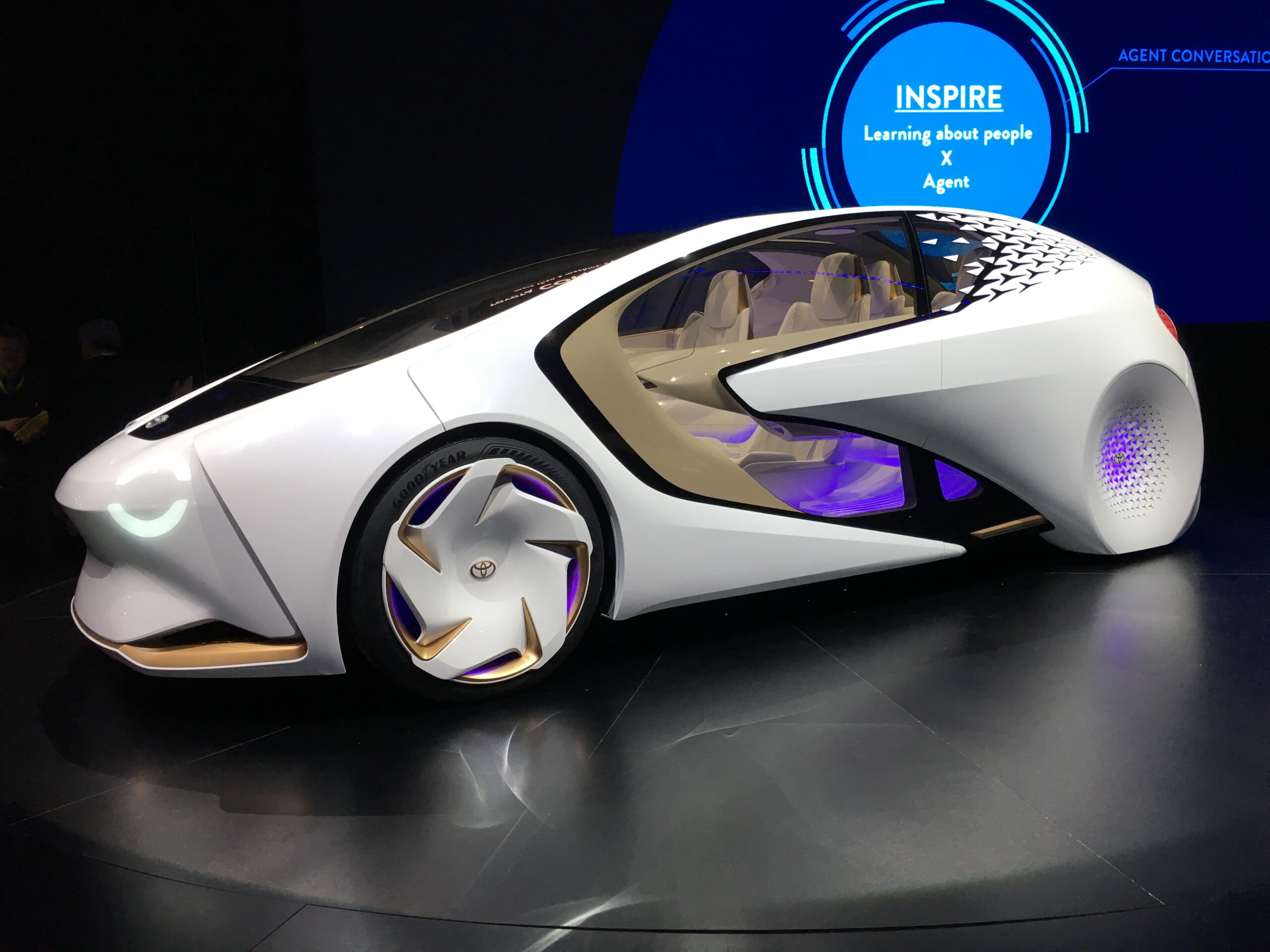
The Consumer Electronics Show (CES) opens in first days of January each year, serving tantalizing predictions for a brighter future. More than 170,000 tech enthusiasts descended on Las Vegas this month to experience the latest innovations hitting the marketplace over the next 12 months and beyond.
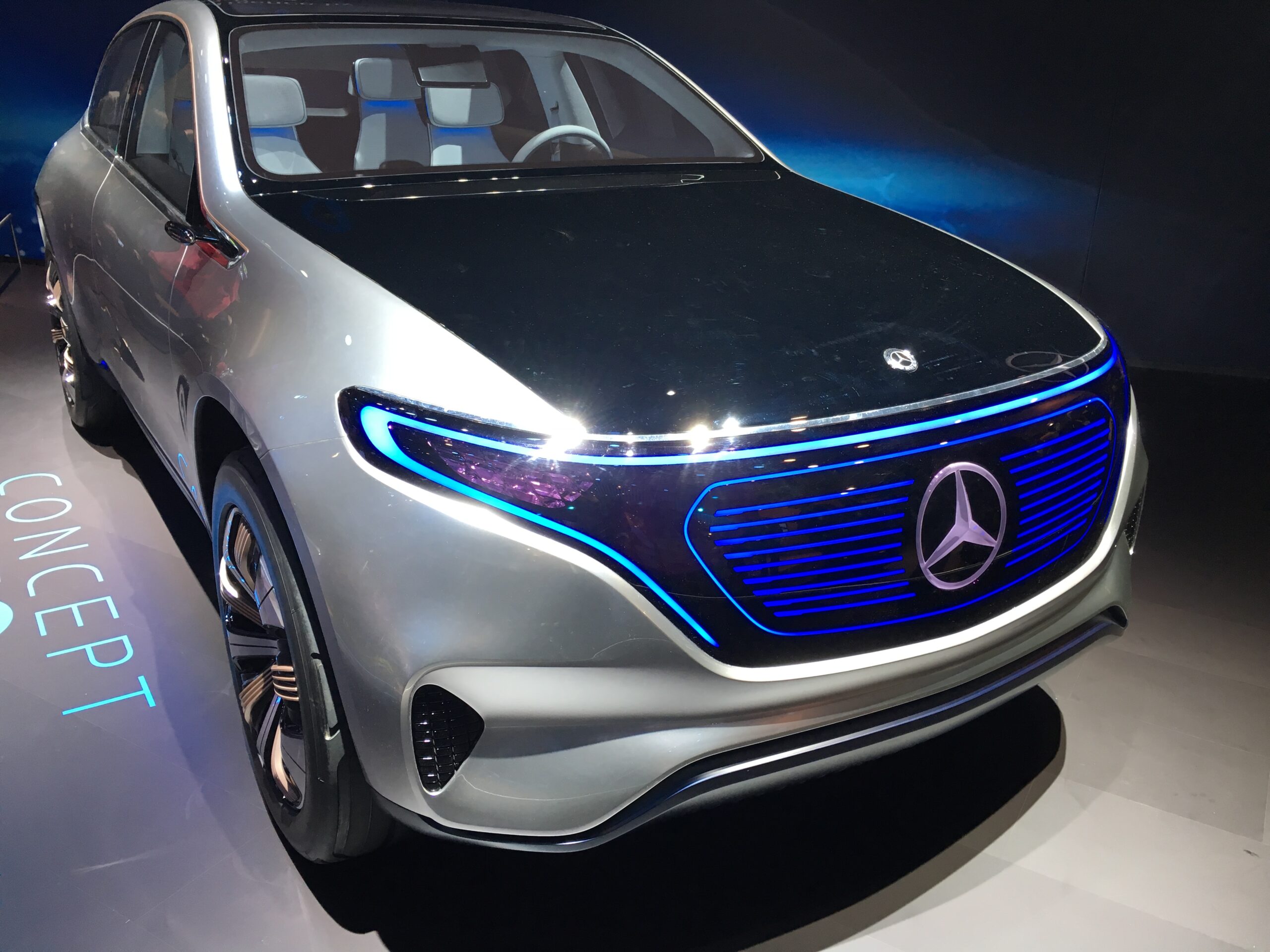 Once again, the TVs are bigger, the audio systems are louder, and the drones can carry heavier payloads. This year, the entire North Hall of the Las Vegas Convention Center was dedicated to automotive technology, looking more like the Detroit Auto Show than a tech expo. Many global carmakers were there; each one showcasing prototypes of connected cars.
Tucked away in the endless corridors of workshops was Connected2Car – a full day of workshops exploring near and future trends related to automated and autonomous vehicles. The panels included experts from top OEM’s (Original Equipment Manufacturers, or carmakers to the casual observer), software developers, and auto trade groups.
In-Vehicle Infotainment
The design and implementation of autonomous vehicle technology is highly complex, and there are many implications related to consumer adoption, safety, and much more. An area of particular interest to the out of home (OOH) industry will be the development of in-vehicle infotainment (IVI).
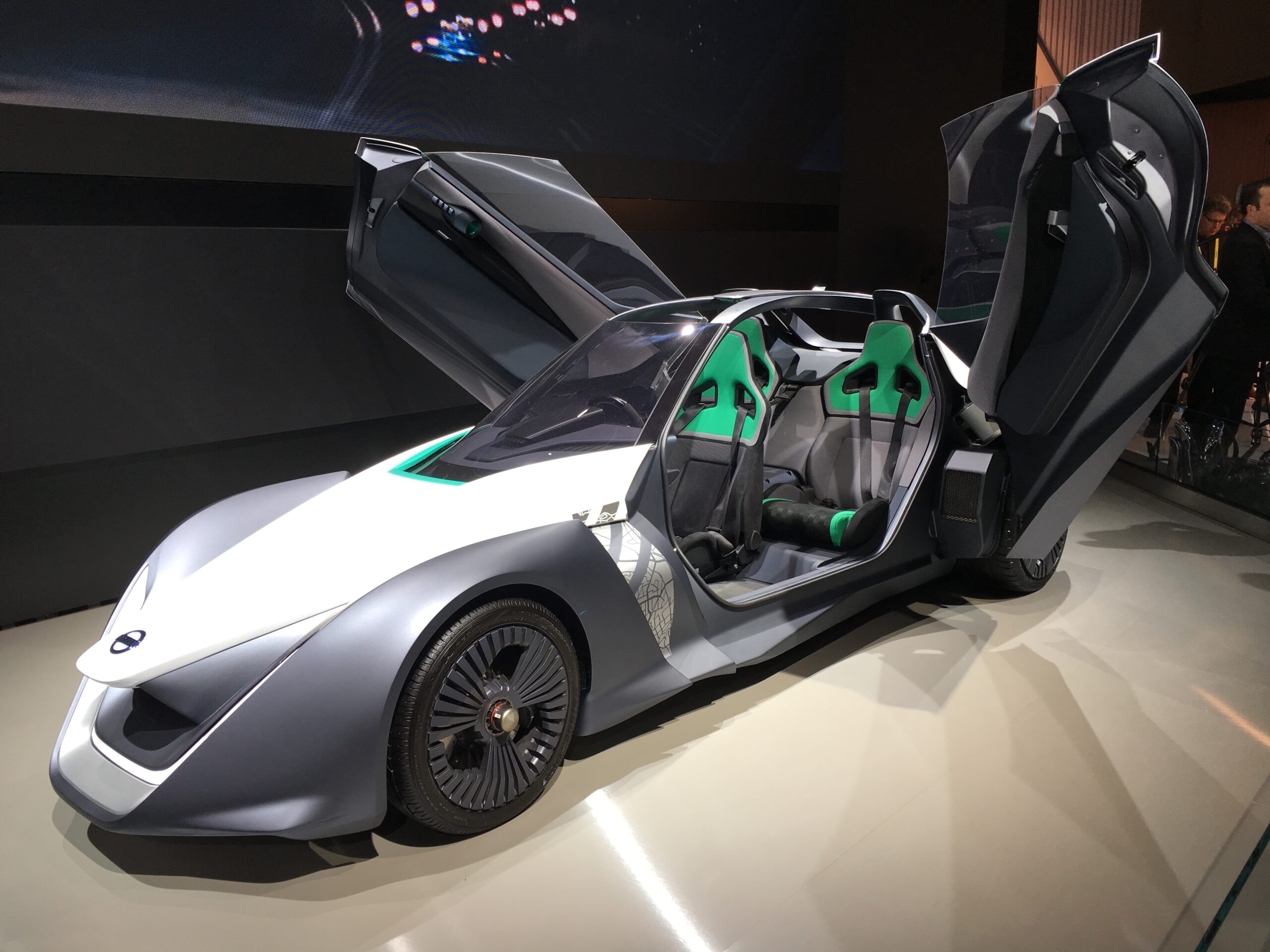 There is a lot of debate about how information and content will be delivered inside a car, especially once driving is no longer a human factor. That’s an area of particular interest to Apple and Google and why the tech giants are developing their own autonomous vehicle (AV) technology. Many panelists presenting at Connect2Car agreed most IVI content will come from personal devices carried by passengers within cars, whether it’s an iPhone or Android Galaxy phone. Rather than building new content channels within cars, people will likely link their smart devices to onboard screens. It’s already happening with technology like AppleCarPlay.
Think about it. A common behavior today is for people to focus on their smart phone when riding in a cab, traveling on a train, or flying in a plane. There’s no reason to assume the behavior will be any different in a driverless car. It is possible for cable providers like Cox and Xfinity to extend cable subscriptions from the home to the car. But, most people will probably choose to tap into their Netflix or Amazon accounts while commuting. It already happens today.
This is good news for the OOH industry which has already been aggressively developing important alliances with mobile companies. The connectivity between OOH and mobile will be even more relevant inside driverless cars.
Automated Today, Autonomous Tomorrow
 It’s clear, automotive companies and tech developers are right now focused on tier 1 and tier 2 automation. Some of these innovations already exist like parking assist and navigation. Other features that support driving will evolve over the next several years. But, full autonomous vehicle technology, with widespread deployment, is decades away, maybe generations. There are many reasons for an expansive time arch.
- There is no consensus on standards. Most carmakers are currently developing proprietary operating systems and technologies. A truly driverless society will require consistent standard, which also link into consistent protocols for the connected city. Genivi is working with OEMs to develop a single language for AV technology. The World Wide Web Consortium (W3C, which hosts the World Wide Web) out of MIT is working on a dictionary of definitions for the connected world, which includes cars.
- Highways must be smart, too. Regardless how fast the automakers are developing autonomous technology, the American highways will require a complete overhaul to accommodate driverless vehicles. It’s one thing to test drive 100 Uber cabs in Pittsburgh. It something very different to have every vehicle on the road self-driving.
- Smart requires 5G. Highways will require a massive array of sensors. Cars won’t read red or green traffic lights. Instead, they will receive signals. Cars will automatically pay tolls, find parking, and much more. To achieve Omni-knowledge, the highway system will need to be much smarter. The infrastructure upgrades are estimated to take 30 – 40 years. None of the development of smart highways can start without the enormous computing power of 5G that is still in the future.
- If we build it, they will come (maybe). The OEMs and tech companies won’t develop AV technology until the consumer asks for it. Sizable investments are already supercharging innovation. But, until there is widespread demand for driverless options, the timeline for deployment remains unknown, and the investments will be measured. Meanwhile, consumers can expect more automated options that make the driving experience easier, safer, and more satisfying.
Cities don’t know what they don’t know. Today, there are 340 trillion, trillion, trillion IP addresses, and computing power has increased 20X since 1980. By 2020, it is expected that 250 million cars will be connected to the web. The implications of data fused with autonomous technology and smart cities are enormous with so many possibilities not yet understood.
Until the day comes when all vehicles are autonomous, drivers will look out windows and notice OOH advertising. Before that day arrives, there will be incremental steps from automation to full autonomy. In the decades ahead, drivers will have even more time to look at billboards, sitting ready to take controls of a car in an emergency but with nothing to really do but look beyond a car’s windshield. That’s a scenario the OOH industry can live with for at least the next 30 years.
Published: January 10, 2017